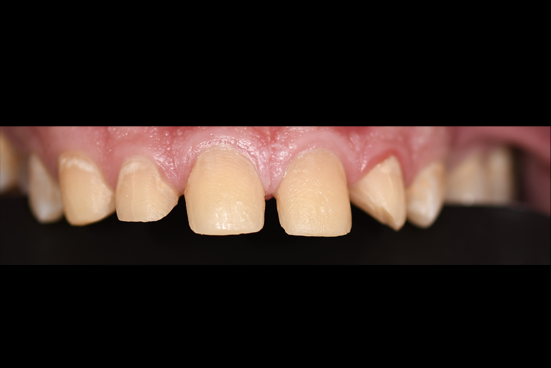
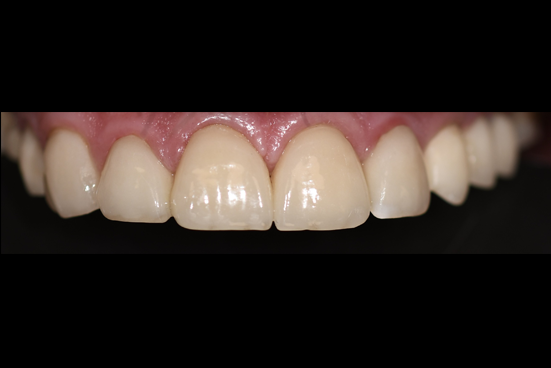
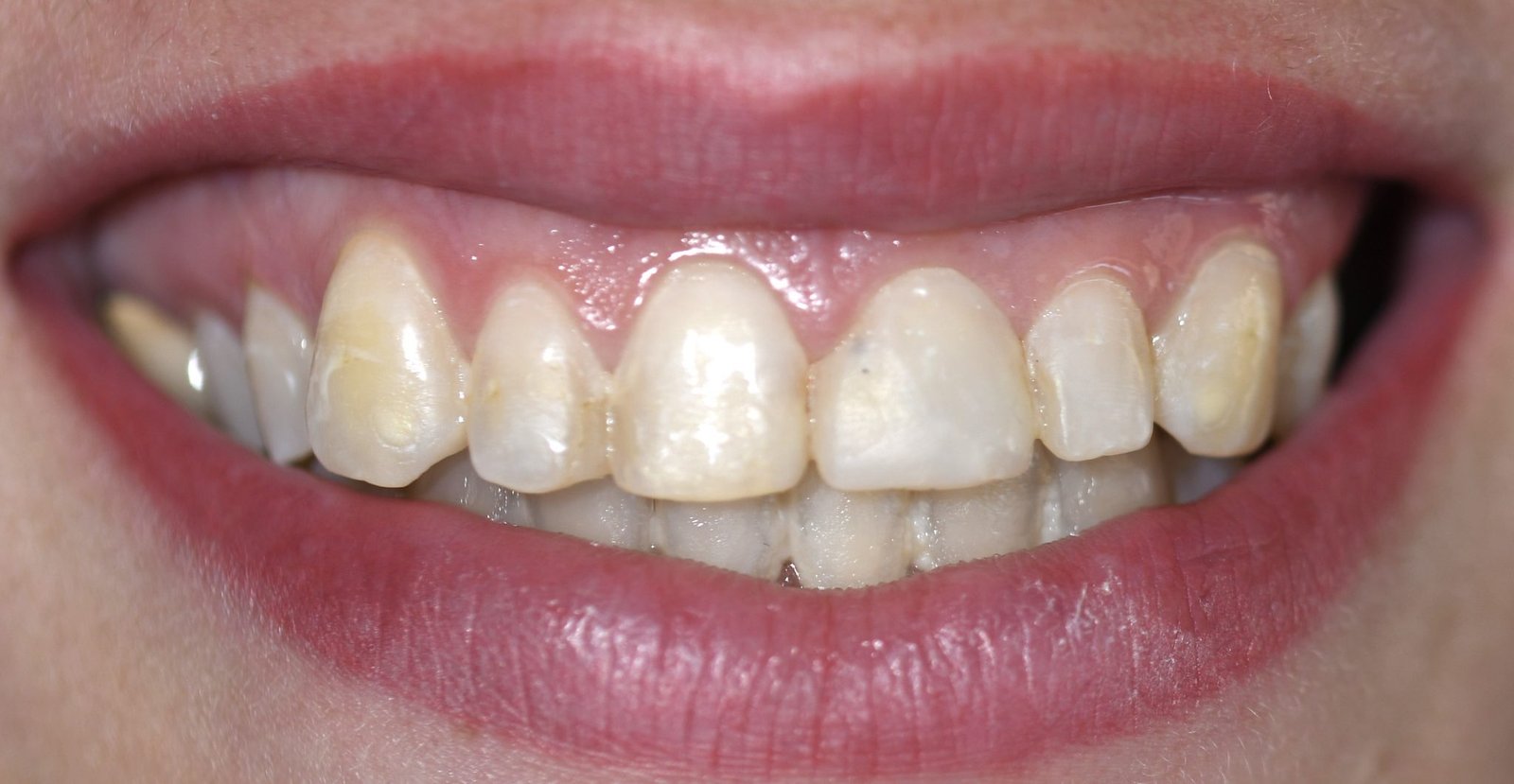
The patient presented with small teeth and spaces between them. The veneers achieved an aesthetic result of teeth with normal size and no gaps.
Before
After
01
Aesthetic Restoration and Gap Closure
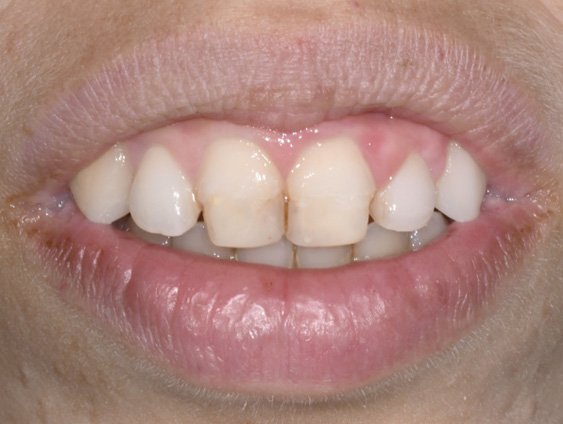
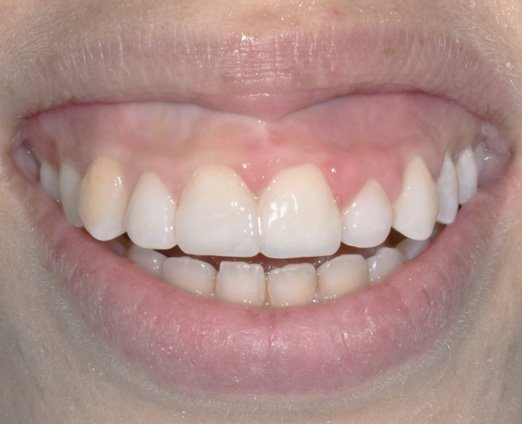
L., a young woman about to get married, requested aesthetic improvement of her teeth. During treatment, new composite (white) restorations were placed, tooth dimensions were corrected, and gaps were closed.
Before
After
02
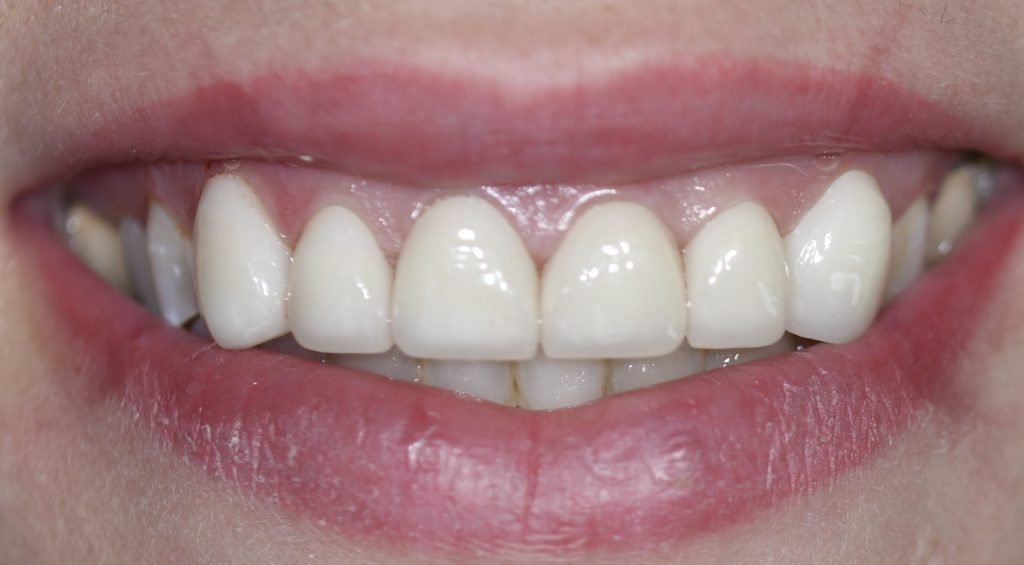
Smile Design
A woman who wanted to enhance her smile underwent a “redesign” treatment. Six zirconia crowns were placed on the front teeth.
Before
After
03
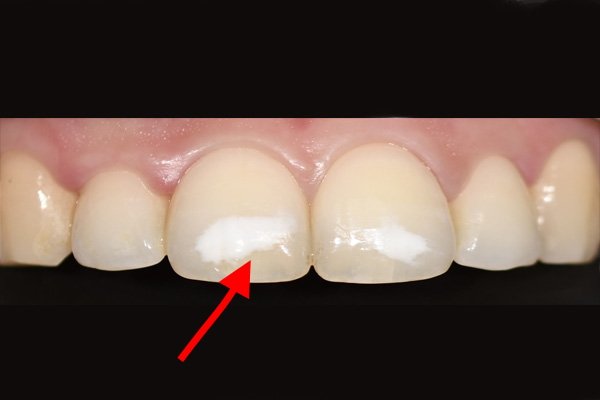
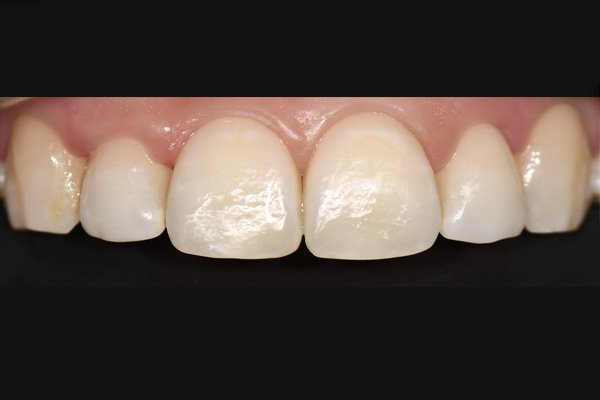
White Spot Removal
A patient presented with white spots on the enamel that developed during tooth formation. The common method involves drilling and filling. Here, a minimally invasive advanced treatment was used to remove the spots without drilling or grinding.
Before
After
04
Yes, It’s a Bridge...
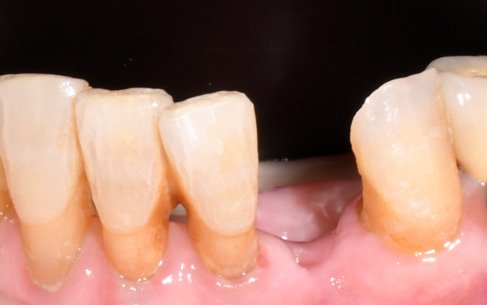
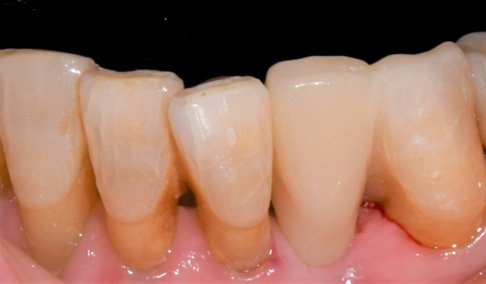
A 70-year-old woman lost a front tooth due to gum disease. She did not want invasive surgical implant treatment. The proposed solution: bonding a “Maryland bridge” made of EMAX to the back of the adjacent tooth.
Before
After
05
- Missing Tooth Restored Without an Impla
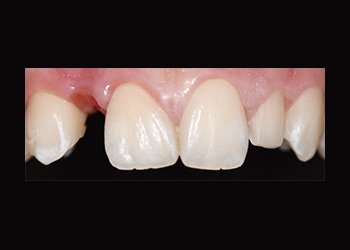
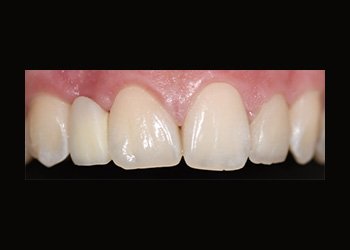
A missing tooth was restored without an implant by veneering a small tooth and reshaping it into a “normal” tooth, redesigning the overall appearance.
Before
After
06
A Filling with a New Look
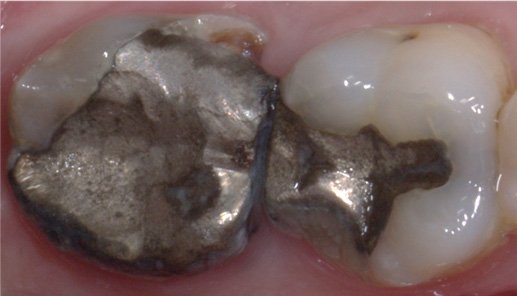
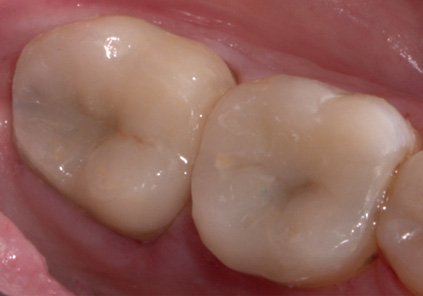
A 60-year-old man came in for treatment with two deep fillings in his molars, decay in the last molar, and a fracture in the tooth in front of it. After removing the old restorations and decayed tissue, it was determined that the tooth could not be restored using amalgam (the material shown in the top image). The extensive loss of tooth structure also ruled out the use of composite (white) fillings. It was therefore decided to restore the tooth using an onlay made of a special material (EMAX), thereby improving both the tooth’s function and appearance.
Before
After
07
Advanced Caries Treatment
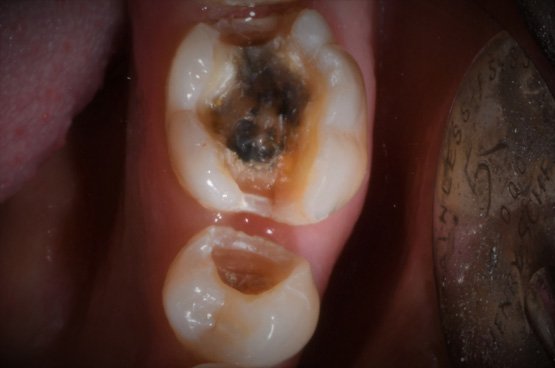
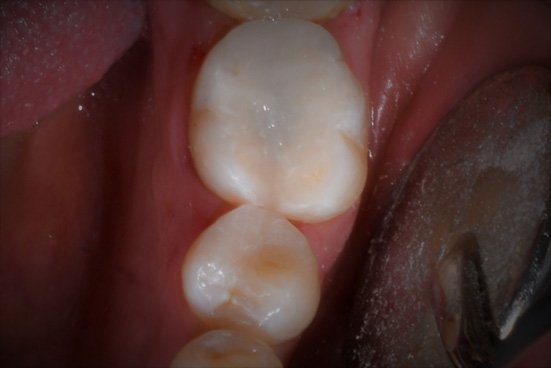
A 40-year-old patient presented with extensive decay. After removing the decay, two composite restorations (white fillings) were placed.
Before
After
08
Pictures of porcelain veneers
The patient presented with small teeth and spaces between them. The veneers achieved an aesthetic result of teeth with normal size and no gaps.
Before
After
01
Aesthetic Restoration and Gap Closure
L., a young woman about to get married, requested aesthetic improvement of her teeth. During treatment, new composite (white) restorations were placed, tooth dimensions were corrected, and gaps were closed.
Before
After
02
Smile Design
A woman who wanted to enhance her smile underwent a “redesign” treatment. Six zirconia crowns were placed on the front teeth.
Before
After
03
White Spot Removal
A patient presented with white spots on the enamel that developed during tooth formation. The common method involves drilling and filling. Here, a minimally invasive advanced treatment was used to remove the spots without drilling or grinding.
Before
After
04
Yes, It’s a Bridge...
A 70-year-old woman lost a front tooth due to gum disease. She did not want invasive surgical implant treatment. The proposed solution: bonding a “Maryland bridge” made of EMAX to the back of the adjacent tooth.
Before
After
05
Missing Tooth Restored Without an Implant
A missing tooth was restored without an implant by veneering a small tooth and reshaping it into a “normal” tooth, redesigning the overall appearance.
Before
After
06
A Filling with a New Look
A 60-year-old man came in for treatment with two deep fillings in his molars, decay in the last molar, and a fracture in the tooth in front of it. After removing the old restorations and decayed tissue, it was determined that the tooth could not be restored using amalgam (the material shown in the top image). The extensive loss of tooth structure also ruled out the use of composite (white) fillings. It was therefore decided to restore the tooth using an onlay made of a special material (EMAX), thereby improving both the tooth’s function and appearance.
Before
After
07
Advanced Caries Treatment
A 40-year-old patient presented with extensive decay. After removing the decay, two composite restorations (white fillings) were placed.